
Letter from the Editors
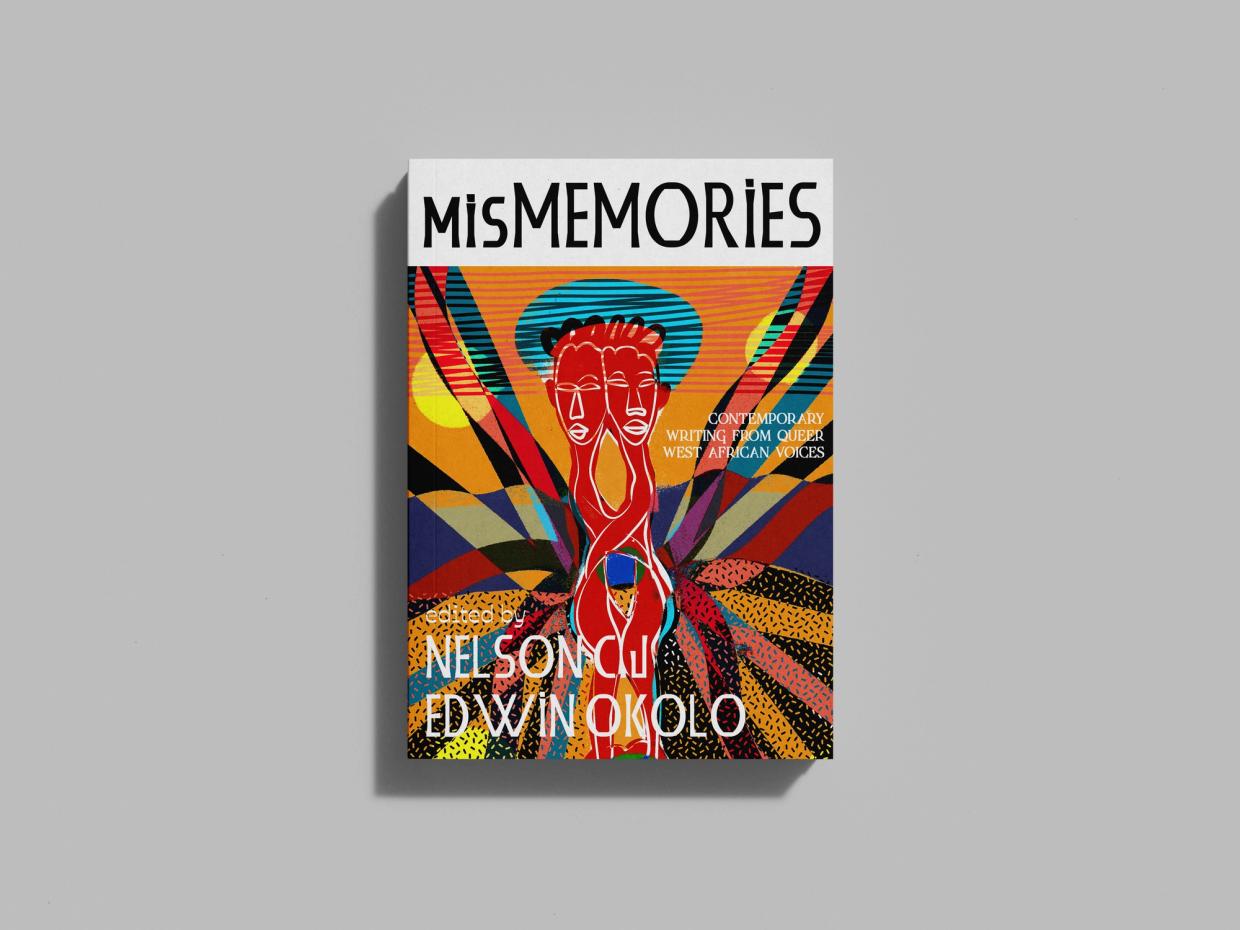
In the course of putting this collection together, a surprising motif began to assert itself, showing up in many of the stories and underlining their narrative bones. That motif was movement. As you read through these 19 works; two of them original plays written by two writers of incandescent talent, two of them nonfiction pieces delivered with sharp honesty and humbling tenderness, and the rest being works of fiction as diverse in tone as they are in their brilliance- you are likely to notice how movement forms the thematic concerns and ideological preoccupations of these stories.
In many of these works you will find characters who are in constant motion, both physically and metaphorically. Most times, they are moving from one philosophical point to another, changing their minds and rethinking the ambit of their existence and in other times, simply moving from one physical location to another, which often bears significant weight to the story. It would be easy to chalk this up to the basic expectation that at the heart of it, a good story must involve some movement in the lives of those written about, whether ideological or characteristic. But the stories here bear extra weight in how they use movement because of the context within which they are written. In Tanor Sadji’s gorgeous play The Arena and the Heart, two men, a couple, make their way to Taoubab Dialaw, a cliffside fishing village in Senegal. The play begins with both men confronting the limitations of their relationship, depicted first by their secretly holding hands on the bus ride to Toubab Dialaw and later in richly decorated dialogue. At the end of the play, where we are shown the striking landscape of Toubab Dialaw, where we bear witness to their recommitment to each other, it is easy to tell that a movement has happened; a renewal of spirit and of courage has planted where anxiety once prevailed. Okay, a deceptively simple short story by Yaa Boaheema, finds two women who go house hunting while half-heartedly tending to a festering emotional slight. The emotional tenor of the characters can be monitored through the symbolism of motion; the cab rides that take them to a prospective new home while nursing the possibility they may never want to live in it together. In another story, notably Uyaiedu Ikpe-Etim’s personal essay There Is Still Time, movement is both an act of privilege and a source of anxiety. Ikpe-Etim writes beautifully of migration, of queer love that changes form and tone depending on the land in which it is expressed. It is a striking consideration of the ways movement, after biological luck, has always dictated where we love, how we love and how big our contemporary problems can be. But Mismeories, while symbolised by movement, is not entirely consumed by it. The works in this anthology are also a look at the ways love and ordinariness in relation to queerness are expressed, conceptualized and modernised . Yes, the stories, plays and essays in this project contend with what it means to be queer and West African today, but they also linger in the observational . They collect everyday moments and offer up mundane beauties.
In Mariam Sule’s There’s Nowhere Else I’d Rather Be, the sunny sidewalks of Cotonou come alive, drawing us through the rich landscape as our character falls in love on a motorcycle. In The Boy With The Cacao-Brown Skin, written by queer Ivorian writer Asare Kanga, Abidjan has taste, it has mood, and it has the kind of bustle and sound that leaps off the page. Other expressions of scenery and cultural mood are shown subtly, as in Piesie Ebo Buckman’s Love Is A Many Splendored Thing, a charming story of second loves and double surprises, and I Never Thought To Ask, a reflective and artfully delivered personal essay by Haz Al-Nafi. This consideration for ordinariness, for the varied manifestations of otherness across the region, features heavily but distinctly in the photography collections included in this project, one by Nigerian photographer Daniella Almona, with moving reflections on routinous living by a broad range of young queer Nigerians. Baahwa’s work mirrors this, but through a Ghanaian perspective, while suffused with distinct cultural codes. It is nothing short of humbling to have spent so much time with these works, to have edited and sat with them. The works in this project hail from Ghana, The Gambia, Senegal, Côte d’Ivoire, Togo, Burkina Faso, Benin, Sierra Leone and Nigeria.
Nelson C.J. and Edwin Okolo, Editors, Mismemories
Buy Mismemories Here.
About the Writer
The Mismemories editorial collective gathers contemporary writing from queer West African voices.